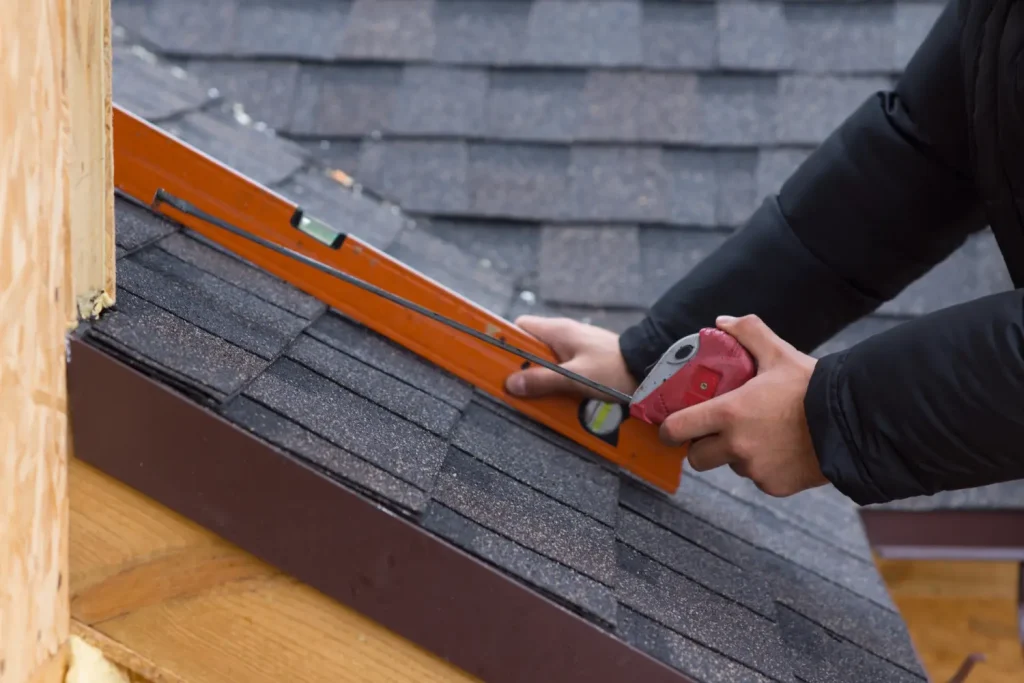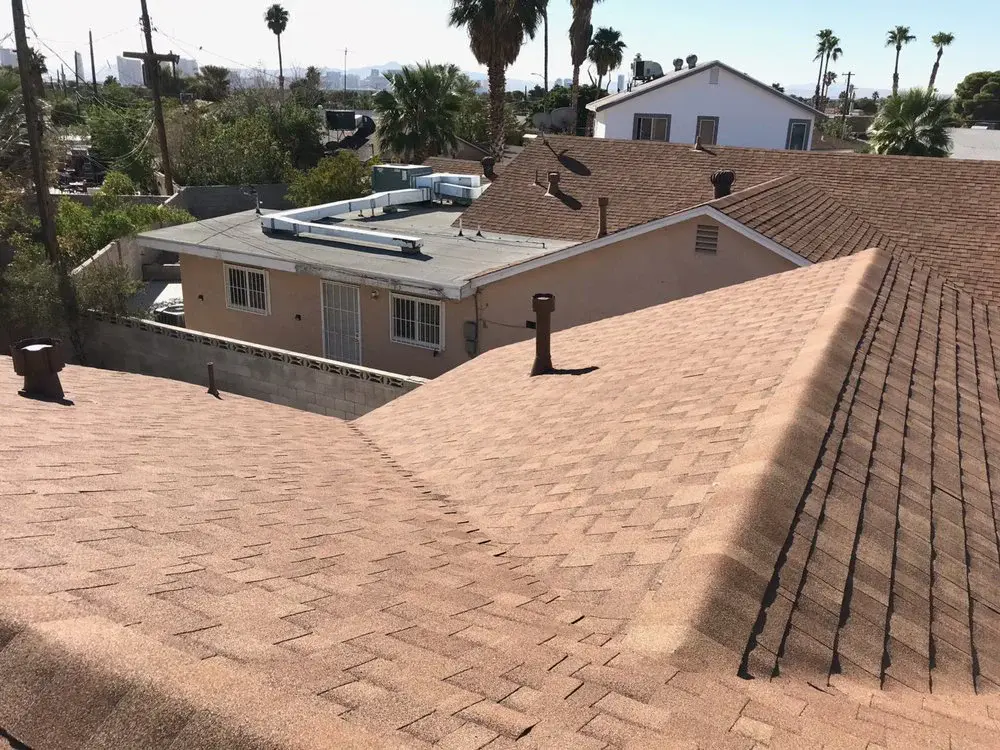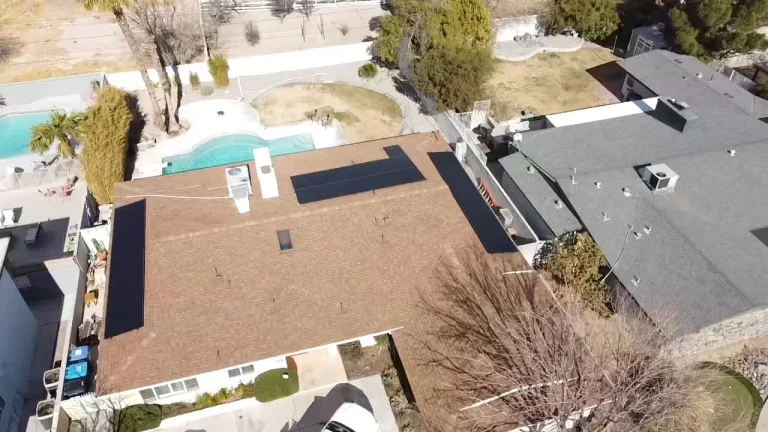
Picture a family in North Las Vegas, Sunrise Manor, Aliante, Winchester, Centennial Hills, Pahrump & Paradise, NV watching their aging roof shed granules into the gutters after another blistering summer. The shingles curl at the edges, a few have blown loose, and the attic feels warmer than it should. That is the moment when a shingle roof installation moves from “someday” to “now.” At The Roofing Company, we help homeowners and business owners turn that moment into a straightforward, well-managed project.
Why Shingles Remain a Smart Choice
Asphalt shingle roofing continues to be the most popular roofing option across residential neighborhoods for good reason. It balances cost, durability, and appearance in a way few other materials match. Modern shingles resist wind, shed water efficiently, and come in colors and profiles that suit nearly any home style.
Architectural shingles, sometimes called dimensional shingles, add depth and a layered look that mimics wood shake or slate. Composite shingle roof systems push durability further with reinforced materials built to handle intense heat and sudden desert storms. As a GAF Master Elite contractor, The Roofing Company installs shingle products backed by strong manufacturer warranties.
Our Shingle Roof Installation Process
A quality installation depends on the steps taken before the first shingle goes down. We inspect the existing deck, check for moisture damage, and confirm that the structure is sound. A new roof installed over a compromised deck will fail early, so we never skip this stage.
Our typical workflow follows a clear sequence:
- Roof tear off: We remove old shingles down to the deck and dispose of the debris responsibly.
- Deck preparation: We repair or replace damaged sheathing and confirm a smooth, flat surface.
- Underlayment and flashing: We install a water-resistant barrier and set flashing around vents, valleys, and chimneys.
- Shingle placement: We lay shingles in staggered courses, nailing to manufacturer specifications for wind resistance.
- Final inspection: We clean the site, run a magnetic sweep for nails, and review the finished roof with you.
Built for the Las Vegas Climate
Roofs here face a punishing combination of extreme heat, strong ultraviolet exposure, and occasional wind-driven rain. A shingle system that performs well in a mild climate may degrade quickly in the desert. That is why material selection matters as much as workmanship.
We choose shingles rated for high temperatures and strong solar reflectance where appropriate. Proper attic ventilation also plays a large part in longevity, because trapped heat shortens the life of any roofing material. As a Las Vegas based family owned company with over 20 years of experience, we understand exactly how local conditions affect a roof year after year.
Residential and Commercial Shingle Roofing
As residential shingle roof installers, we handle single-family homes, townhomes, and larger custom properties. Whether you need new roof shingles for a recently built home or a full shingle roof replacement on an older one, we scale our crew and schedule to fit the project.
Commercial shingle roofing installation carries its own demands, including tighter timelines and the need to keep a business running during the work. We coordinate deliveries, staging, and cleanup to limit disruption. Common projects we take on include:
- Storm damage shingle replacement: Restoring roofs after wind or hail compromises the surface.
- Architectural shingle replacement: Upgrading worn three-tab roofs to a more durable dimensional profile.
- Shingle re-roofing: Installing fresh materials when the existing structure remains sound.
Quality, Safety, and Trusted Materials
At The Roofing Company, our priority is to ensure that our work is of excellent quality. We only represent trusted and recognized brands in the industry, so the materials on your roof are ones we stand behind. This commitment protects your investment for decades rather than a handful of seasons.
We follow strict safety guidelines and procedures that reduce potential risks, maintaining the highest possible safety standards to protect you, your property, and our employees. Careful safety practices also keep projects on schedule, which saves you both money and time.
Serving Homeowners Across Southern Nevada
We proudly serve customers throughout North Las Vegas, Sunrise Manor, Aliante, Winchester, Centennial Hills, Pahrump & Paradise, NV and the surrounding areas. As your full-service shingle roofing company, we are equipped to handle any sized project, from a modest repair to a complete shingle roof installation on a large property.
When you work with The Roofing Company, you gain a roofing contractor who treats your home as if it were our own. Having the right materials and expert installation means your roof will be built to withstand the test of time and the harshest Las Vegas summers. Reach out today and let us help you plan a roof you can rely on for years to come.